
Link-Building Mistakes That Can Damage Trust and Waste Your Budget
Link-building mistakes can waste money and weaken search visibility. They can also damage trust through unnatural, unrelated or forced backlink patterns. Common errors include buying links and chasing quantity over relevance. Other mistakes include using exact-match anchor text and ignoring toxic backlinks. Teams also skip competitor analysis or fail to audit campaigns. Check referring domains, link attributes, anchor text and page relevance first. Review the page around each link, too. Don’t disavow spammy backlinks automatically. First, check if they’re harmful and linked to your actions. A clear process protects SEO performance. It also guides spending towards useful, earned links.
The Link-Building Mistakes That Cost the Most
Link-building mistakes often start when teams chase links without proper checks. They may ignore relevance, page quality or risk. The cost can include wasted outreach money and weak SEO trust. Recovery work can also take time. A quality-first review should find each mistake. It should explain the cause and likely effect. Then, it should set out a clear fix.
| Mistake | Likely cost | First correction |
|---|---|---|
| Buying links | Wasted money and possible link-scheme risk | Review sponsorship, disclosure and page value |
| Chasing volume | Many weak links with little search value | Choose relevant referring domains first |
| Overusing exact anchors | An unnatural anchor text pattern | Earn varied, useful editorial references |
| Ignoring harmful patterns | Unclear risk and slower recovery choices | Complete a backlink audit before acting |
| Failing to measure | Unclear results and uncontrolled campaign spending | Track quality, traffic and conversions |
The full backlink profile gives more useful detail than one authority score. Check domain relevance and referring domains. Review link attributes, the referring page and nearby links. Small budgets need careful choices. A few relevant editorial links may beat many cheap placements. Most campaigns need a review every one to three months. Run a deeper audit after a major strategy change.
Buying Links or Treating Every Paid Placement as an Investment
Buying links is risky when payment aims mainly to change rankings. A paid placement can still support brand exposure or referral traffic. It may also help a genuine partnership. It shouldn’t count as an automatic SEO asset.
This mistake often starts with big promises from a seller. They may promise authority, fast delivery or many backlinks. The campaign can waste money. A group of paid placements may also look like a link scheme. An unrelated page offers little value, even with a high domain authority score.
Check the publication, audience, page context and disclosure terms first. Use suitable sponsored attributes for advertising placements. Follow the publisher’s disclosure rules. Seek editorial coverage only when the content deserves a place there. We explain these checks before recommending Link Building in South Brisbane. We don’t treat every paid mention as a win.
Chasing Link Quantity Instead of Relevance and Editorial Value
More links don’t always create better search visibility. A smaller group of relevant referring domains may work better. Relevance and context help readers understand the link. They also help search engines understand the topic.
Teams often chase quantity because large numbers look good in reports. Cheap packages may offer directory links or blog comments. These links may bring little traffic. They may also lack real editorial value. Repeated links from one network can add less value than trusted sources.
Group link prospects by topic, audience and page quality. Check if the page answers a real question. Check if the website serves a real community. Then ask if your content adds something useful. A strong link-building strategy tracks useful visits and content exposure. It shouldn’t track link numbers alone. Small budgets should fund research and strong content first.
Using Exact-Match Anchor Text Too Often
Exact-match anchor text uses the target keyword as the clickable words. For example, “emergency plumbing services” may link to a service page. One natural reference may be fine. Repeated keyword-rich anchors can look planned rather than earned.
The error often comes from outreach templates. They tell every publisher to use the same phrase. Teams may also judge success by keyword use. This creates an over-optimised pattern. It can make links harder to read. It may also suggest link manipulation.
Review the anchor text pattern across your backlink profile. Branded anchors and business names should appear naturally. Plain URLs and clear phrases can work well, too. Let publishers choose words that suit their readers. Don’t force wording into old articles without a reason. Anchor text should describe the page. It shouldn’t act like a repeated ranking command.
Ignoring Toxic Backlinks and Unnatural Link Patterns
A toxic backlink may be harmful or manipulative. A tool’s high spam score doesn’t prove that harm. Many sites receive automatic links they never requested. Those links don’t always damage performance.
This mistake happens when teams trust a tool’s “toxic” list without checking. They may remove or disavow every link on it. This can waste staff time and remove useful links. It can also hide the real cause of a traffic change. Weak content or technical issues may be the cause.
Start with a backlink audit. Check the source page and link purpose. Review its index status, nearby content and anchor text. Ask if your own actions caused the pattern. Paid keyword anchors across one network deserve close attention. Keep records of your checks and removal attempts. Specialist SEO Audits or SEO consulting may help with a manual action. They may also help with an old campaign or unclear technical evidence. Don’t disavow automatically.
Building Links from Irrelevant or Low-Trust Websites
A high-quality backlink usually comes from a real, relevant website. The link should help readers use or understand the information. Domain relevance matters more than one authority score. The quality of the referring page matters, too.
Irrelevant directories and broad guest-post networks are easy to find. Sellers may call them quick authority. Yet some sites have thin or copied content. Others have unclear owners or too many outbound links. A powerful domain can still offer a weak link. The page may have nothing to do with your subject.
Read the referring page as a normal visitor would. Check if the site has a real audience. Check if someone updates its content. Make sure the link supports an editorial point. Reject pages with clear spam or unrelated subjects. A useful link should help the reader first. This approach protects link quality without strict score targets.
Skipping Competitor and Backlink Gap Analysis
Competitor SEO analysis can show useful backlink gaps. It can also reveal content ideas and suitable publishers. It should guide research. It shouldn’t become a plan to copy every competitor link.
Teams often skip this step and start outreach too soon. They may pitch weak ideas to unsuitable websites. They may also miss useful data, expert comments or linkable content. Competitors may not offer these things.
Compare several relevant competitors. Group their links by purpose. Examples include coverage, resource pages, partnerships and research. Tools and community work can matter, too. Check if each source suits your audience. Then ask if you can offer something better. A backlink gap isn’t a shopping list. It helps you choose where to focus. Small businesses should target a few realistic options. Agencies should record why each prospect fits the strategy.
Failing to Track Link Quality, Costs and Outcomes
Link-building metrics should connect link quality with business results. These results can include useful visits, enquiries and sales. Without this link, reports only show activity. They don’t show real value.
Use a simple process:
Good records help agencies manage old work. They also help in-house teams explain choices. A simple working sheet may cover most campaigns. Larger campaigns may need a shared dashboard. Perfect tracking isn’t the goal. A clear record of costs and results matters more.
Disavowing Spammy Backlinks Without Evidence
Consider disavowal only after strong evidence shows a serious link pattern. The pattern should involve manipulation and possible site risk. This matters most when a manual action exists. Spammy backlinks alone don’t prove that disavowal is needed.
Fear often causes this mistake. A tool marks links as toxic. Rankings then fall for another reason. The site owner blames those links. This creates extra work. It may also remove harmless or useful links.
Google Search Console offers useful evidence. It doesn’t provide a full risk score. Specialist advice can help after a paid link scheme. It can also help after a change of ownership. A careful removal record is safer than deleting everything.
A small business may need to pause weak outreach. It could fund one useful editorial asset instead. An in-house team may need a clear approval process. An agency may need old records before changing a disavow file. Use the evidence to match the response to the risk. Don’t sell volume or fear.
Our team can review campaign records and referring domains. We can also check anchor text and business results through practical SEO Audits. An SEO Agency should explain why a link may be risky. It should show the evidence and suggest a fair next step. This makes SEO choices easier to support. It also helps protect future spending.
When to Get Professional Backlink Help?
Professional help can assist when backlink evidence is complex. It can also help when the business risk is high. Older work may have left poor records. A useful review should find the cause and rank the next steps. It shouldn’t promise automatic link removal.
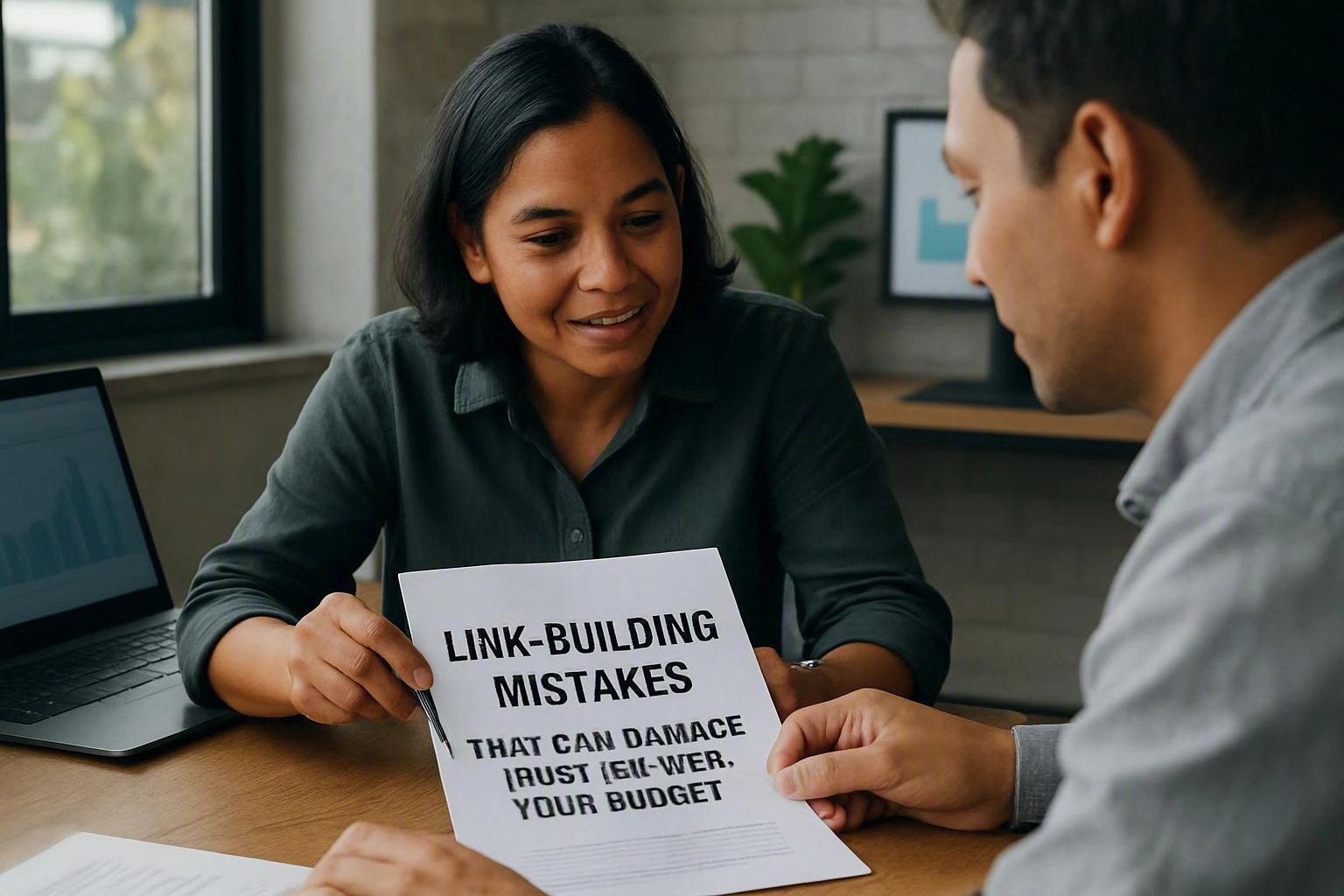
Ask for evidence behind every recommendation. A good review should show URLs and link attributes. It should show domain relevance and removal attempts. It should also list the next steps. The review should state what can’t be proven. This protects small businesses and supports in-house teams. It also helps agencies manage old campaigns with care.
Questions About SEO Agency
What Are the Most Common Link-Building Mistakes?
The most common errors are buying links and choosing quantity over relevance. Other errors include repeated exact-match anchors and irrelevant websites. Teams may also ignore suspicious patterns or skip competitor analysis. Poor tracking is another common mistake. Each error can waste money or weaken trust. This happens when it creates an unnatural backlink profile.
What Are Toxic Backlinks?
Toxic backlinks may be harmful or manipulative. Examples include paid links made to change rankings. Spam networks can also create them. A third-party spam score only starts an enquiry. It doesn’t prove that a link causes harm.
How Do I Audit My Backlinks?
Export link data from Google Search Console and trusted backlink tools. Review each referring domain and page. Check anchor text, link attributes, relevance and nearby content. Group links by risk and record your evidence. Check for manual action signals before removing links. Don’t create a disavow file without proper checks.
Can Bad Backlinks Hurt SEO?
Bad backlinks can create risk when they form a forced pattern. This includes paid link schemes and repeated keyword-rich placements. Many unwanted spam links are simply ignored. Check the wider evidence before blaming links for ranking changes.
Should I Disavow Spammy Backlinks?
Don’t disavow spammy backlinks automatically. First, check if they link to forced activity. Review Google Search Console for a manual action. Try removal where practical and keep records. Specialist advice can help when the history isn’t clear.
What Makes a Backlink High Quality?
A high-quality backlink comes from a real, relevant website. The referring page should help the reader. The link should sit within useful editorial content. It should use natural words and may bring relevant referral traffic. The source shouldn’t have clear spam or copied content.
A careful process makes backlink risk easier to manage. Review the evidence and protect your campaign budget. Invest in links that help people find useful content.
Contact our team to discuss a proportionate review.
Related Resources
How Much Does SEO Cost in Brisbane?
SEO agency Brisbane cost
What It CostsEnterprise SEO Costs in Australia: What Large Websites Need
enterprise SEO agency cost
How It WorksHow Long Does SEO Take to Work? A Practical Agency Timeline
how long does SEO take to work
What's RequiredThe Technical SEO Audit Checklist: What to Check When a Website Is Not Performing
technical SEO audit checklist