
How Long Does SEO Take to Work? A Practical Timeline
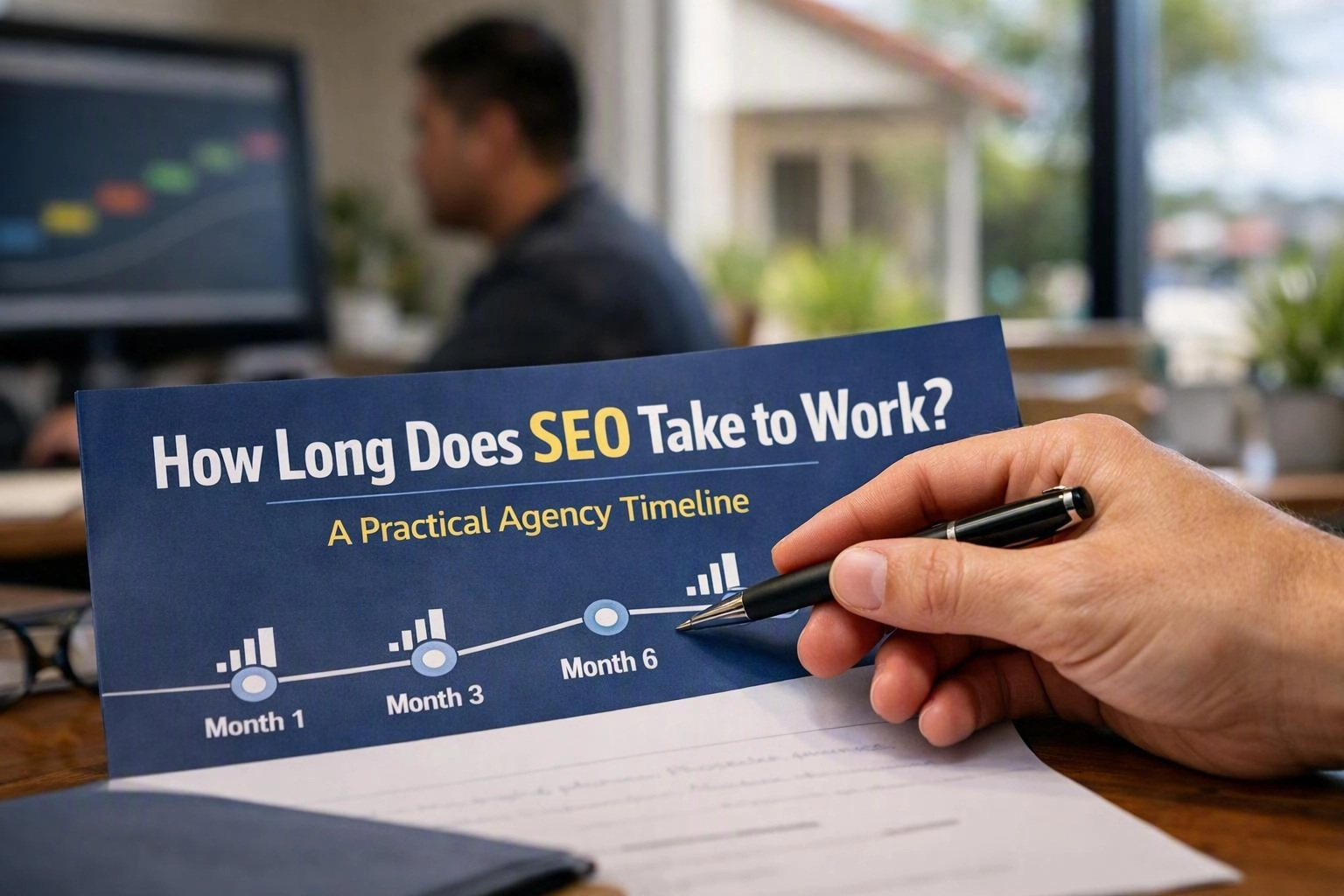
SEO usually takes three to six months to show strong results. Some sites see early gains within weeks. Competitive campaigns can take longer. An agency often spends the first 90 days checking the site and fixing key issues. The work may include better content, stronger internal links and trusted links from other sites. Results depend on competition, site health, content quality and how fast changes happen. Local SEO may show gains sooner when business details are correct. Lasting rankings still need regular work and checks.
When Will SEO Start Working?
SEO campaigns can show early signs within four to eight weeks. Meaningful organic growth often takes three to six months. Pages may gain views and rankings before sales increase. Timing depends on competition, site history and content quality. It also depends on how fast changes are made.
The first signs may seem small. Search engines may crawl more pages or list new content. Your site may also appear for more useful searches. Google Search Console can show more impressions before rankings reach page one. These signs show that search engines understand your site better.
Early growth doesn't always bring more sales. A page may get views without many visits. A visit may not become a call, enquiry or sale. Good SEO checks rankings, traffic and leads together. One ranking can't show the full picture.
Competition can change the forecast. A trusted site in a small market may grow faster. A new site may need more time for broad terms. Strong content and clean site code can help. Missing pages and poor tracking can slow progress.
Many sites show useful signs within three months. Stronger sales patterns often appear between months three and six. This is a guide, not a promise. We use SEO Consulting in South Brisbane to set clear steps and goals.
What Happens in the First 90 Days of an SEO Campaign?
The first 90 days build the base for future growth. An agency checks the site, fixes key issues and studies search intent (what people want). The team also improves pages, plans content and sets a clear starting point. Early checks cover crawling, indexing, views, rankings and leads.
During month one, an SEO agency checks your site, data and rivals. The audit checks speed, mobile use, broken links and redirects. It also checks page titles, duplicate pages and site structure. Keyword research links your services with real searches.
Month two often focuses on making changes. Technical SEO removes blocks that stop search engines reading key pages. The team may improve headings, titles, page text and menus. Internal links can also help people find related pages. A content plan then sets clear tasks for new and old pages.
By month three, the work often covers more topics. New content can help people at different buying stages. Internal links help search engines find related pages. Reports compare views, clicks, rankings and visits. Tracking also links this work to enquiries, sales and other actions.
Fast access can help work move sooner. Our team needs access to the site, data and business profiles. Slow approvals can hold up good work, so can limited staff or other web projects. A clear plan marks each task as planned, approved, active or done.
The first 90 days aren't the finish line. They create a strong base for future tests and updates. Quick fixes matter. They should still run beside content and link work.
How Long Does SEO Take by Project Size?
SEO takes longer on larger sites. They need more checks, content and technical work. A small site may show gains in three to six months. An average site often needs six to nine months. A large or tough market may need nine to twelve months or longer.
These timeframes are guides, not promises. The work needed can matter more than page count. A small site may have a major move or weak content. A large site may grow well with strong teams and systems.
| Project size | Typical timeframe | Common focus |
|---|---|---|
| Small website | Three to six months | Technical repairs, key pages and basic authority |
| Average website | Six to nine months | Content coverage, internal links and competing terms |
| Large website | Nine to twelve months or longer | Complex architecture, coordination and authority growth |
A site may need more time with many pages or locations. Products and web systems can add more work. Several teams may also need to approve changes. A useful forecast checks site health, target search value and available resources.
What Are the Main Steps in an SEO Process?
An SEO process starts with checks and planned changes. It then moves into regular updates. The main steps include site checks, goal setting, technical fixes and useful content. Teams also improve internal links, build trust and track results. They repeat these steps as search needs and rivals change.
The steps can overlap. A content idea may show a site issue. A report may show that a page needs clearer text. A shared task list helps teams choose the right work first.
Link work should support useful content. More links can't fix a page that misses the user's need. A clean site may still need better content and trusted mentions.
Our team may use Technical SEO when site issues block growth. This work covers crawling, indexing and site speed. The right mix depends on the site. Technical fixes may help first. Content and link work support longer growth.
How Long Does Local SEO Take to Show Results?
Local SEO can show early gains within one to three months. This can happen when business details and local pages are correct. Stronger map rankings and steady leads often take three to six months. Results depend on distance, relevance, trust, reviews and local rivals.
First, check the Google Business Profile and business details. This includes the name, address, phone, services and opening hours. Photos and descriptions also matter. NAP consistency means these details match across trusted sites. Local listings can help when they're accurate and useful.
Local pages need a clear purpose. They should explain the service and area. They should also cover customer needs and the next step. Avoid making many pages with the same text. Useful local content can build trust over time.
Local views may rise before enquiries become steady. A business may appear more in map results. It may also get more profile actions or search views. Compare these signs with good enquiries, booked work and conversion rate. A ranking matters when it brings the right people.
Access and approvals affect local SEO too. Delays can slow profile updates and page changes. Review replies may also take time. Local SEO isn't a shortcut around good SEO. It still needs correct data, useful pages and regular checks.
Why Do SEO Results Take Longer for Some Websites?
SEO can take longer for sites with strong rivals or weak content. Technical debt means old site issues that need repair. Slow work, site moves and poor tracking can also delay results. Broad, valuable keywords need more useful content and trusted links.
Keyword competition is a key factor. Established rivals may have years of helpful content. They may also have many trusted links. A new site must prove its value first. Specific searches can help create early progress.
Site moves can also change the timeline. A new domain, page address or web system may cause issues. Lost content, bad redirects and indexing problems can follow. Plan the move before launch and check the site afterwards. Search engines may need time to process every change.
Content quality affects trust and search results. Thin pages give people little reason to stay. Repeated text can also weaken the site. Better pages explain the problem and answer common questions. They should guide readers towards a clear next step.
Slow implementation is easy to miss. A good plan won't help if changes aren't made. Developers, writers and owners may all have other tasks. Access limits and approval delays can add more time. A clear plan should list these risks early.
Search engines also change their systems. They keep adjusting how they judge quality and user experience. No ethical provider can promise the same timeline for every site. Use quick fixes beside content, trust and tracking work.
Sales may come after rankings improve. Vague goals can hide useful growth, so can poor conversion tracking. Set goals for enquiries, sales, booked work or lead quality. Then judge traffic against those goals.
How Should You Measure SEO Progress Before Rankings Improve?
Before rankings improve, check Google Search Console impressions, indexing, crawl errors, clicks and qualified leads. Also check conversion rate. These signs show if search engines can access the site. They show if pages appear for useful searches. They also show if visitors take action.
Start by recording a baseline. Note indexed pages, key errors, views, clicks and rankings. Record organic visits and current enquiries too. Compare the same data each month. Allow for normal seasonal changes.
Crawl errors can show broken paths or redirect issues. Indexing reports show which pages search engines list. Impressions often rise before clicks. This can show wider search reach. Engagement data can show if visitors like the page.
Service businesses should track forms, calls and booked work. Count qualified leads, not every contact. Check lead quality beside conversion rate. This stops poor traffic from looking like success.
A monthly report should explain what changed and what comes next. It should also show completed work and useful findings. This makes the SEO results timeline easier to follow. It keeps choices linked to business goals.
Questions About SEO Agency
How Long Does SEO Take to Work Australia Agency?
An Australian agency commonly forecasts three to six months for strong growth. Early signs may appear within four to eight weeks. Competition, site health, content and work speed can change this timeframe.
SEO Timeline First 90 Days Agency Australia
During the first 90 days, an agency checks the site and search data. It also fixes key issues, maps keywords and improves pages. The period sets a baseline and builds a base for later growth.
How Long Does Local SEO Take Australia?
Local SEO may show gains within one to three months. This needs correct business details, local pages and a Google Business Profile.
When Will SEO Start Working?
SEO can start working within weeks through better crawling, indexing and impressions. Strong organic growth usually takes three to six months. Conversions may take longer as visitors decide whether to enquire or buy.
How Long Before SEO Results?
Most projects need three to six months before results bring clear business value. Ranking and visibility gains may appear sooner. Large sites, tough markets and slow changes can extend the timeframe.
A clear forecast links site work, content, trust and local growth. It should also link these tasks with business goals. To discuss your starting point, contact our team for a practical enquiry.
Related Resources
How Much Does SEO Cost in Brisbane?
SEO agency Brisbane cost
What It CostsHow Much Does Ecommerce SEO Cost in Australia?
ecommerce SEO agency cost
What It CostsEnterprise SEO Costs in Australia: What Large Websites Need
enterprise SEO agency cost
What's RequiredThe Technical SEO Audit Checklist: What to Check When a Website Is Not Performing
technical SEO audit checklist